

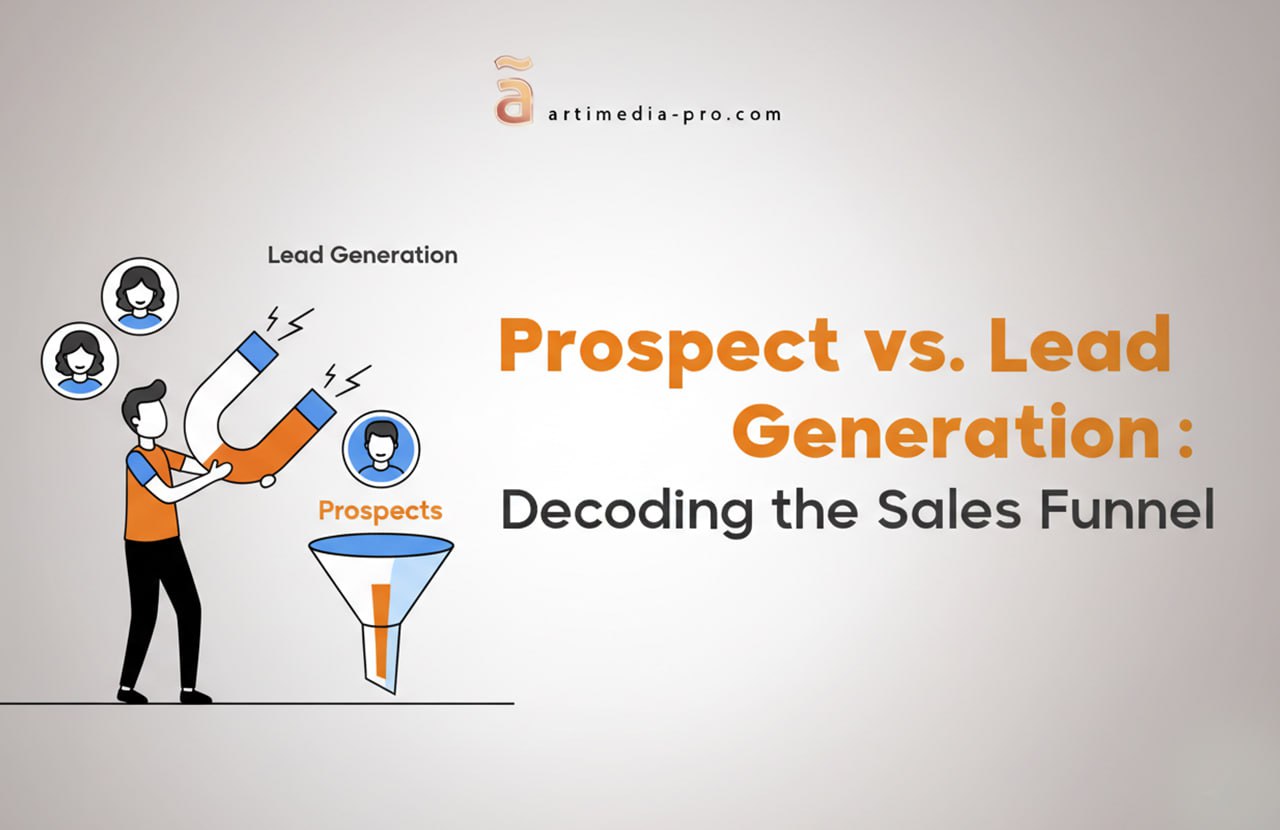

A lead is someone who has shown early interest and shared their contact details. A prospect is a lead you have qualified as a good fit, with a real need, budget, decision-making power and a timeline to buy. Marketing generates leads, sales turns the right ones into prospects, and mixing the two up wastes ad budget and sales time. This guide defines both terms, shows where each sits in the funnel, and gives a simple qualification process you can start using this month.
Key Takeaways
- A lead is early interest (a download, a sign-up, a form). A prospect is a qualified lead who fits your ideal customer and shows buying intent.
- The BANT test (Budget, Authority, Need, Timeline) is a quick way to decide whether a lead is a prospect.
- Leads belong to the top and middle of the funnel; prospects belong to the middle and bottom.
- Companies define these words differently, so write your definitions down and share them between marketing and sales.
Why the Distinction Matters
Many businesses lose deals not because the offer is weak, but because they speak to the right person at the wrong stage. Send a sales call to someone who only downloaded a checklist and you push them away. Treat a buyer who asked for a quote like a newsletter subscriber and a competitor reaches them first. Clear definitions tell marketing when to keep nurturing and tell sales when to pick up the phone.
What Is a Lead? (The Maybe)
A lead is an individual or business that has shown initial interest in your brand and shared contact information, usually voluntarily. Common lead actions include:
- Downloading a guide, checklist or whitepaper
- Signing up for a newsletter or webinar
- Sending a general question through a contact form or WhatsApp
- Following your brand on social media and messaging you
At this stage interest is surface-level. You know the person exists, but not yet whether they have the budget, authority or intent to buy.
What Is a Prospect? (The Likely)
A prospect is a lead that has been qualified and looks likely to become a customer. The classic test is the BANT framework:
- Budget: they can afford your solution.
- Authority: they make the decision, or influence it directly.
- Need: they have a problem your product or service solves.
- Timeline: they plan to act within a defined period.
Prospects also tend to engage in two-way communication: they book a call, ask for a demo, request pricing or send detailed questions.
A note on terminology: some sales teams reverse the words and call a prospect any target company they have identified, and a lead the person who responds. Neither is wrong. What matters is that your marketing and sales teams use the same definitions.
Lead vs. Prospect at a Glance
| Feature | Lead | Prospect |
|---|---|---|
| Level of interest | Early, general | Specific, with a clear need |
| Qualified? | Not yet | Yes, against your criteria |
| Typical stage | Top and middle of the funnel | Middle and bottom of the funnel |
| Owner | Marketing | Sales (with marketing support) |
| Right next step | Educate and nurture | Discovery call, demo or proposal |
Prospecting vs. Lead Generation
Lead generation is usually inbound: you attract people through SEO, social media, paid ads, content and landing pages, and they raise their hand. Prospecting is usually outbound: your sales team researches ideal customers and starts the conversation through LinkedIn, email, calls or introductions. Healthy businesses run both. Lead generation fills the pipeline, and prospecting plus qualification turns interest into conversations that can close. Our guide to marketing qualified leads explains how marketing decides which leads to hand over.

Where Leads and Prospects Sit in the Funnel
Top of Funnel: Awareness and Lead Generation
People are exploring a problem. They become leads by engaging with educational content such as blog posts, videos, guides or social posts. The goal is trust, not a sale.
Middle of Funnel: Evaluation and Qualification
Here you decide which leads are ready for sales. Behavior is the signal: repeat visits, pricing page views, case study downloads and email replies suggest growing intent. Leads that meet your criteria become prospects.
Bottom of Funnel: Decision and Conversion
Prospects are comparing options. Sales engagement becomes personal: discovery calls, demos, proposals and answers to objections. For the full picture of each stage, read our guide to the digital marketing funnel, and see how a sales pipeline is managed after the handover.
How to Turn Leads into Prospects: A Simple Qualification Process
- Define your ideal customer. Write down the industry, company size, role and problem that fit best. Our guide to ICP marketing shows how.
- Agree on qualification criteria. Use BANT or a version of it that suits your sale, and score each lead against it.
- Track behavior. Note the pages visited, the content downloaded and the questions asked, so sales sees context before calling.
- Respond fast. In many service businesses, the first reply decides the deal, especially on WhatsApp.
- Review monthly. Count how many leads became prospects and how many prospects became customers. These are core funnel metrics.
What This Looks Like in Different Businesses
- B2B and industrial companies: a lead may be a procurement officer who downloaded a catalog. A prospect is the operations director who confirmed a project, a budget range and a decision date. Long cycles with several decision-makers make qualification essential.
- Clinics and medical centers: a lead is a patient who messaged a question about a treatment. A prospect is one who asked about price, availability or an appointment. Measure bookings, not message counts.
- Software and startups: a lead signs up for a newsletter or a free trial. A prospect is a trial user who completed a key action or asked for a demo.
- Small local businesses: a lead follows your page; a prospect asks for a price on WhatsApp. Quick, clear replies convert them.
Common Mistakes to Avoid
- Handing every lead to sales. Sales loses trust in marketing when most contacts are not ready.
- Waiting too long on a hot prospect. Someone who asked for pricing should hear back quickly.
- Never nurturing cold leads. Many leads are not ready today but become ready later, so keep sending useful content.
- No shared definitions. If marketing and sales count differently, reports will never agree. See brand awareness vs. demand generation for how the two goals fit together.
Conclusion: Optimize Your Funnel
Knowing the difference between leads and prospects keeps marketing and sales focused on the right people at the right time. Define the terms, set simple qualification criteria and measure how many leads become prospects each month. If you want a partner to build and run this process, contact artiMedia Pro. We work as your outsourced marketing department, with one accountable team and a monthly report on the leads your marketing produced.
Frequently Asked Questions (FAQs)
What is the meaning of a prospect in sales?
In sales, a prospect is a potential customer who has been qualified: they have a problem your product solves, the budget to pay for it and the authority to decide, usually within a defined timeframe.
Can a lead become a prospect automatically?
Not usually. It takes a qualification step, either a conversation with sales or a scoring system based on behavior such as pricing page visits, demo requests or replies. Automation can flag likely prospects, but your criteria decide.
Lead versus prospect: which should I focus on?
Both. Without lead generation the pool of potential customers dries up, and without qualification and prospecting leads rarely become revenue. Put marketing effort into leads and sales effort into prospects.
What is the difference between a prospect and a customer?
A prospect is a qualified potential buyer who has not purchased yet. A customer has made a purchase. After the sale, shift the goal from conversion to retention and referrals.
Is a marketing qualified lead the same as a prospect?
Not exactly. A marketing qualified lead (MQL) is a lead that marketing considers ready to pass to sales. A prospect is a lead that has been qualified against your criteria, often after sales confirms the fit.