On this page
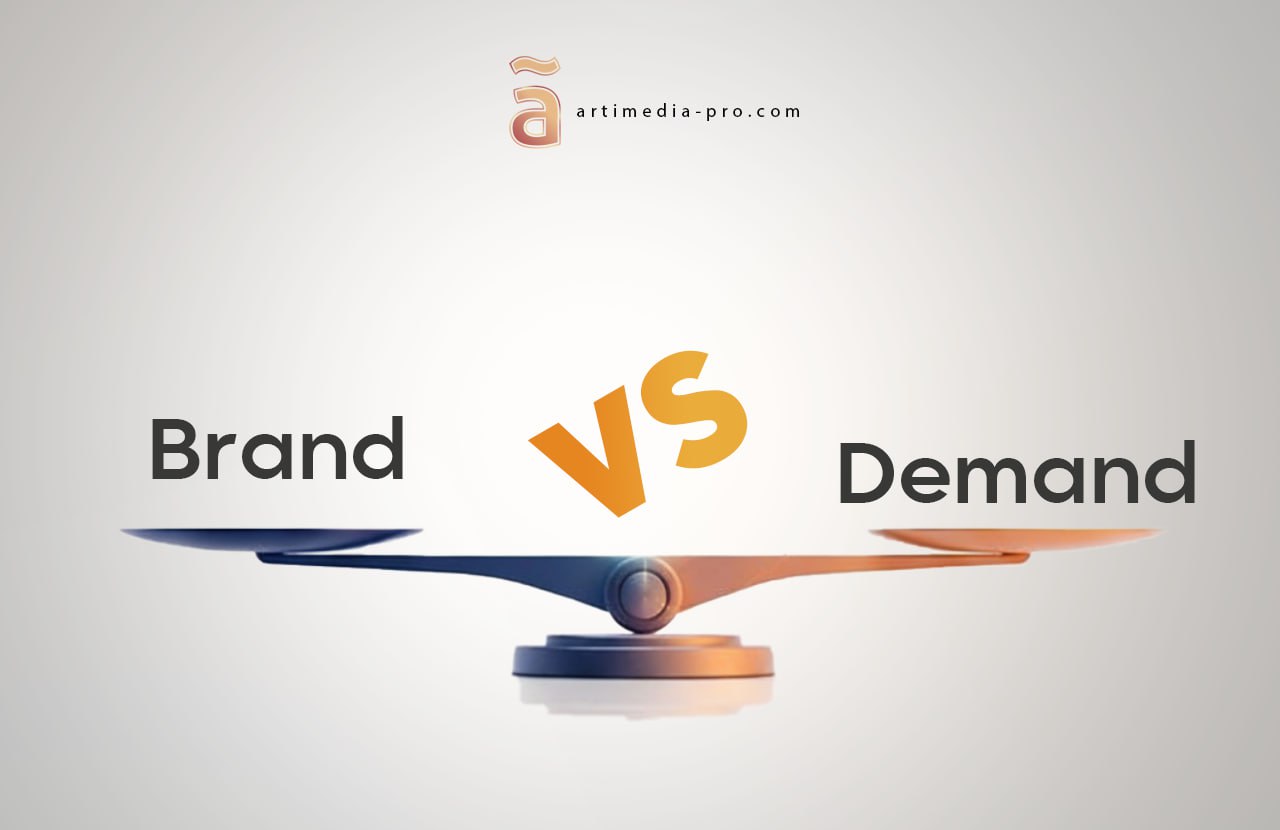
Brand awareness builds the audience that will buy later, and demand generation captures the buyers who are ready now. They are not rivals. Brand marketing makes demand campaigns cheaper and more effective, and demand campaigns turn the attention you have earned into leads and sales. This guide explains each, how they differ, and how to balance them when your budget is limited.
Key Takeaways
- Brand awareness is long-term and builds recognition and trust. Demand generation is short-term and captures people who are ready to act.
- Research credited to Professor John Dawes of the Ehrenberg-Bass Institute, promoted by LinkedIn’s B2B Institute, suggests only about 5% of B2B buyers are in the market at any given time, so brand work reaches the other 95%.
- Binet and Field’s well-known 60:40 split (brand building to activation) comes from large-brand advertising data. Treat it as a reference point, not a rule for your budget.
- A small business should balance by stage and by what its numbers show, not by a fixed ratio.
What Is Brand Awareness Marketing?
Brand awareness is about making your company memorable. It is the long-term work of building a reputation and becoming the first name that comes to mind when a buyer thinks of your category. It answers the question of why someone should choose you, through your values, story and promise.
Brand campaigns do not always ask for an immediate sale. They tell a story and create familiarity through social content, PR and thought leadership, so that when customers are ready to buy, your name is already on the shortlist. If you are unsure whether recognition is your gap, see how to spot and fix low brand awareness.
What Is Demand Generation Marketing?
Demand generation creates and captures immediate interest in your product or service. It is action-oriented and focused on leads, sign-ups, bookings and sales. Typical tactics include search and social ads, gated guides and webinars, email campaigns, retargeting and special offers.
Its strength is measurability: you can track clicks, conversions, cost per lead and return on investment, which makes it easier to defend in a budget meeting.
Brand Awareness vs Demand Generation: The Real Difference
The simplest way to put it: brand marketing builds future demand, and demand generation captures existing demand. A strong brand lowers the cost of demand generation, because people who recognize you click, reply and buy more readily.
| Aspect | Brand awareness | Demand generation |
|---|---|---|
| Focus | Recognition, trust, long-term reputation | Leads, bookings and sales now |
| Timeline | Months to years | Days to weeks |
| Typical metrics | Reach, branded search, direct traffic, share of voice, recall | Leads, conversion rate, cost per lead, pipeline, revenue |
| Key channels | Social media, PR, sponsorships, content, video | Search ads, email, webinars, gated offers, retargeting |
| Goal | Be remembered and shortlisted | Fill the sales pipeline and close deals |
Consider what happens when a prospect sees your ad. Whether they click depends on whether they recognize and trust your name. That is why the two work as one system.
Why Brand Reaches Buyers Who Are Not Ready Yet
In B2B especially, most of your market is not buying today. Marketing Week reports the 95:5 rule, attributed to Professor John Dawes of the Ehrenberg-Bass Institute and promoted by LinkedIn’s B2B Institute, which holds that only 5% of B2B buyers are in the market to buy right now. Demand campaigns can only reach that 5%. Brand work keeps you known to the other 95%, so you are remembered when they enter the market. Exact percentages vary by category and purchase cycle, so treat the figure as a mental model.
The Perfect Blend: How Brand and Demand Work Together
Demand generation without brand is like harvesting a tree you never planted. Brand building without a plan to convert interest is like planting a tree and never picking the fruit. Brand creates a wide pool of potential customers, and demand generation offers specific next steps to the part of that pool that is ready.
On the question of ratio, the IPA’s Les Binet and Peter Field reported in their 2013 study The Long and the Short of It that the optimum budget ratio was 60:40 between brand building and activation, and a later report put it at 62:38 (IPA). That research comes from advertising effectiveness cases, mostly from large brands. It shows that balance matters, but it does not tell a clinic, a SaaS startup or a local shop exactly how to divide its own budget.
How to Balance Brand and Demand by Stage
- Early-stage startups: few people know you, so invest in visibility and credibility first: a clear identity, a strong site, useful content and early reviews. Run small, measured demand campaigns alongside to learn what converts.
- Growth-stage companies: you have recognition and need scale, so lean harder on demand generation while keeping a steady brand rhythm so growth does not stall.
- Mature businesses: protect relevance and pricing power with brand work while running multi-channel demand campaigns to defend share.
- Local service businesses and clinics: your demand often starts with a search or a recommendation, so reviews, Google Business Profile and local SEO are both brand and demand at once. Measure bookings, not likes.
How to Tell Which One You Need
- Check branded search in Google Search Console. Very few searches for your name point to an awareness problem.
- Check how visitors convert. Plenty of visits but few inquiries point to a demand or offer problem, not an awareness one. See funnel metrics for what to track.
- Ask new customers how they first heard of you and what nearly stopped them from buying.
Conclusion
The brand versus demand debate is a false choice. Brand creates the audience and the trust; demand generation converts them. A small business should start from its own numbers: weak recognition calls for brand work, while a healthy audience that does not buy calls for a better offer and conversion path.
Is your marketing balanced? Contact artiMedia Pro. We work as your outsourced marketing department for businesses in Syria and the Gulf, with one accountable team and a monthly report on what is working. You can also read about our branding services.
Sources
- Marketing Week, The 95:5 rule is the new 60:40 rule.
- IPA, The next chapter for The Long and the Short of It, September 13, 2023.
Frequently Asked Questions (FAQs)
How do you measure the ROI of brand awareness?
It is less direct than demand generation but still measurable. Track branded search volume and clicks in Google Search Console, direct traffic, social reach beyond followers, share of voice and survey answers on how new customers heard of you, and watch them over several months.
As a startup with a small budget, should I only focus on demand generation?
Not only. Demand campaigns are easier to measure, but without recognition and trust they cost more per lead. Even on a small budget you can build the brand through useful content, consistent social posting, reviews and good service, while running small demand campaigns you can measure.
Can a single campaign do both brand and demand?
Yes. A useful guide or industry report can build your reputation while capturing leads through a download form. Give real value first, then ask for the conversion.
If my sales are good, does my brand still matter?
Yes. Good sales may mean your demand generation works today, but a weak brand leaves you exposed to competitors and price comparison. A strong brand protects loyalty and pricing power over time.
Is the 60:40 brand to demand split right for my business?
It is a reference point, not a rule. The split comes from Binet and Field’s study of advertising effectiveness cases, mostly from large brands. Use your own data: weak branded search suggests brand work, while healthy traffic with few inquiries suggests fixing your offer and conversion path.
Was this article helpful?
Thanks for telling us.