On this page
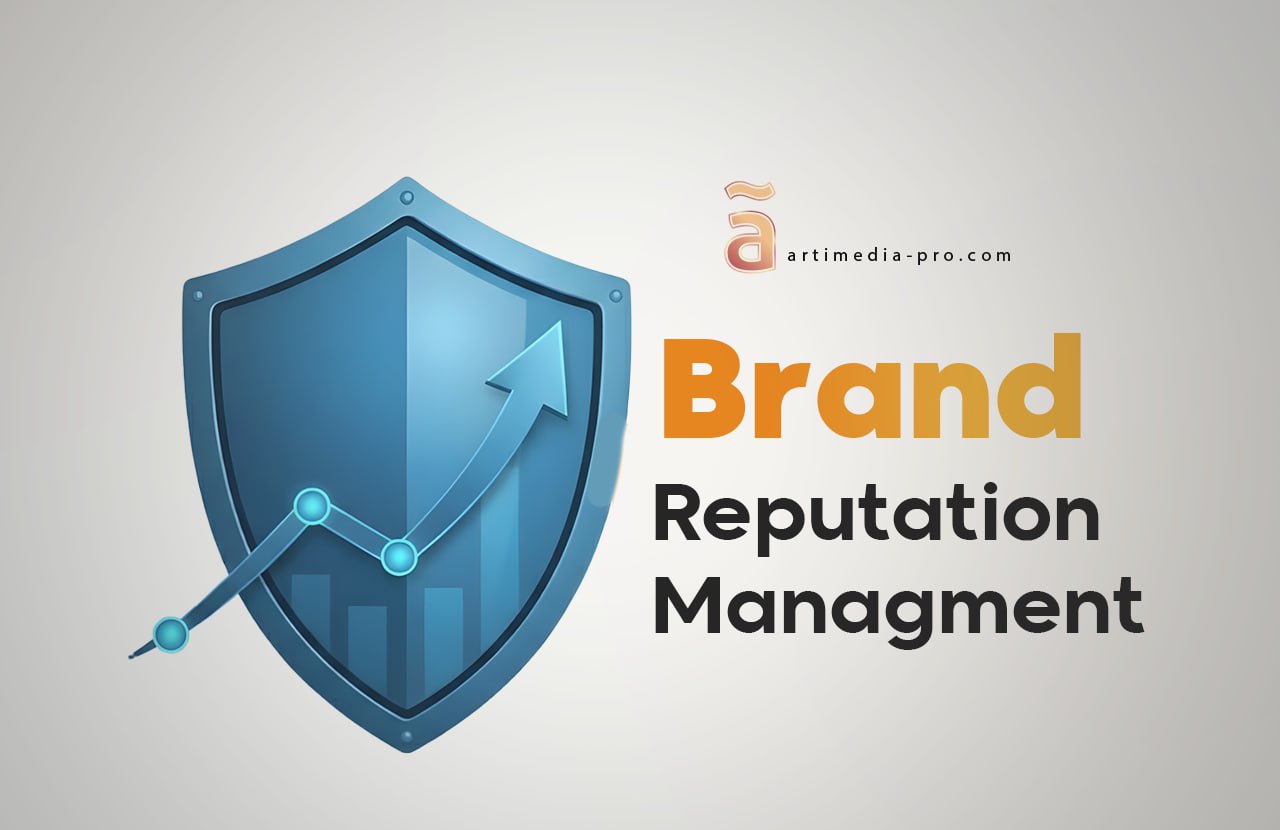
Brand reputation management is the ongoing work of monitoring, shaping and protecting what people find and say about your business online. In practice it means four habits: know what is being said, build reviews and content that tell your story, respond calmly and quickly, and have a plan for the day something goes wrong. This guide covers each one for startups and growing businesses in Syria and the wider MENA region.
Key Takeaways
- Reputation is mostly built before any crisis: through reviews, helpful content and consistent replies.
- BrightLocal’s survey found 76% of consumers always or regularly read online reviews when browsing local businesses, so reviews are part of your sales process.
- Fake and misleading reviews are a legal risk as well as an ethical one: the US FTC rule in force since October 2024 allows penalties of nearly $52,000 per violation.
- Prepare a four-step crisis routine (identify, evaluate, escalate, respond) before you need it.
What Is Brand Reputation Management?
It is the strategic process of monitoring, influencing and protecting how the public perceives your business across search results, reviews, social media and the press. It is more than damage control. For many customers, what they find about you online is the first and sometimes only impression they get, so it shapes whether they ever contact you. Our guide to digital visibility explains how that footprint is built.
Pillar 1: Own What People Find When They Search for You
Search your brand name the way a customer would. The first page should show your website, your Google Business Profile, your active social profiles and any press or interviews. If the results are thin, fix that by publishing strong content under your own control: an About page, case studies, and thought leadership articles. Good, relevant pages crowd out weak or outdated results over time without any tricks.
Pillar 2: Earn Honest Reviews
Reviews work like public word of mouth. BrightLocal’s Local Consumer Review Survey (conducted in January 2023 with 1,117 US consumers) found that 76% always or regularly read reviews when looking at local businesses, and that 47% would suspect a review is fake if it has only a star rating and hardly any words. The lesson is to collect real, specific reviews.
- Ask every satisfied customer, right after a good experience, with a direct link to your Google profile.
- Reply to every review, positive or negative, in a polite and specific way.
- Never buy, write or trade reviews. In the US, the FTC’s rule on fake reviews took effect on October 21, 2024, and allows civil penalties of nearly $52,000 per violation. Other countries have their own rules, and platforms remove reviews they find fake.
For clinics and healthcare practices, reviews matter even more because patients choose on trust. Patients tend to look for specific comments about the doctor, the wait time and the clinic, so ask for those details.
Pillar 3: Listen Before It Becomes a Crisis
Monitoring answers mentions as they appear. Social listening goes further by analyzing why people say what they say, so you can change your messaging before a complaint spreads. Set alerts for your brand name, product names and your owners’ names, and add risk words that matter to your sector, in Arabic and English, such as “scam”, “refund”, “complaint” and “delay”.
Centralize messages from Instagram, Facebook, LinkedIn and X in one inbox, and set a response target your team can actually keep, for example the same working day. Handle public complaints first, because other customers see how you respond. Learn more about the choices behind your channels in our guide to how the social media algorithm works.
Special Case: Financial and High-Trust Brands
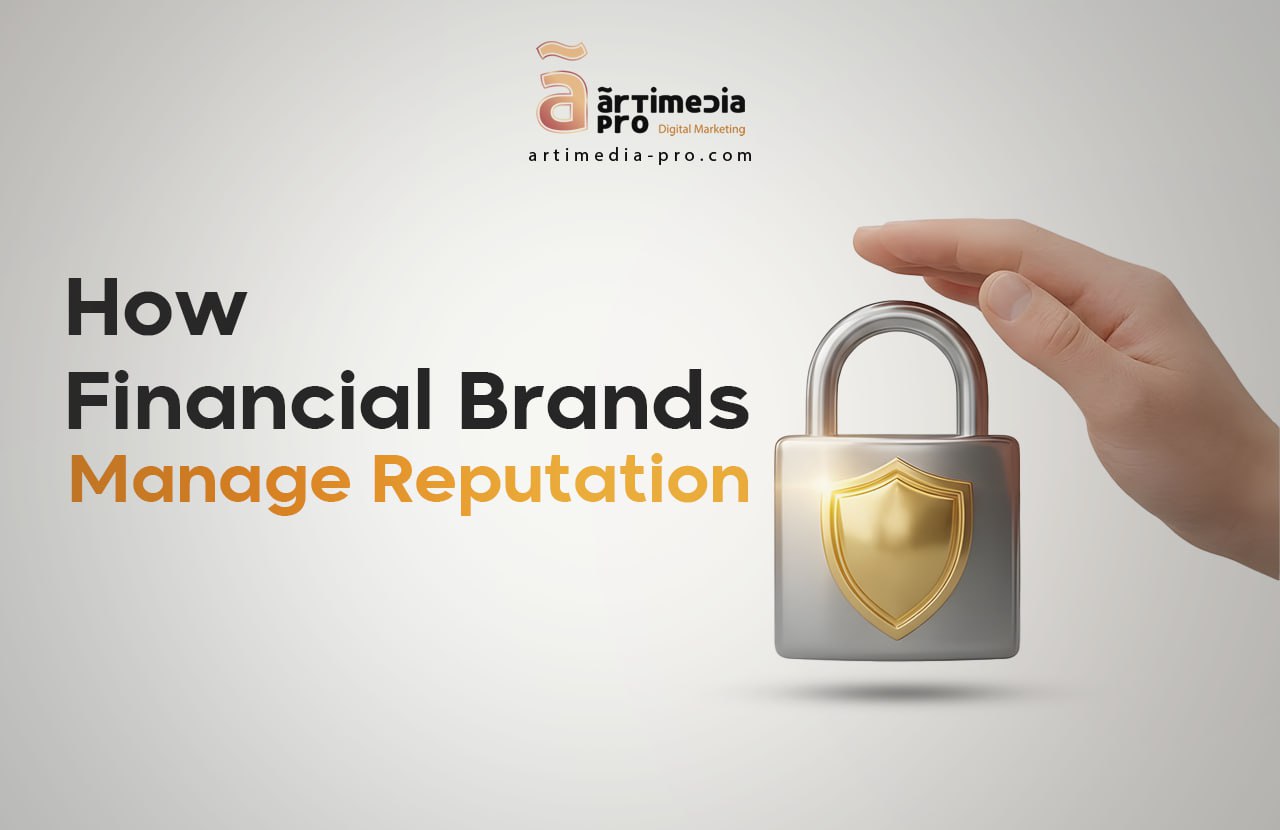
Financial, legal and healthcare brands face stricter scrutiny because customers share sensitive information. Review public replies for compliance before posting, never discuss private details in public comments, and publish clear information on fees and processes. Educational content about fraud prevention or how a service works builds trust before a crisis arrives.
Pillar 4: Manage a Crisis in Four Steps
- Identify: confirm what happened, where and who is affected.
- Evaluate: judge how serious it is and how fast it is spreading.
- Escalate: bring in the decision-maker and, if needed, legal advice.
- Respond: reply publicly, briefly and honestly, then move details to a private channel.
Do not delete genuine criticism. It usually draws more attention and looks like hiding. If you face fake or abusive content, save screenshots and links, report it through the platform’s own process, and publish a calm, factual reply.
Authenticity Is Your Best Defense
Real people, real results and behind-the-scenes content make false claims harder to believe. When customers can see the team behind the brand, as covered in our guide to personal branding, they are less likely to accept a smear from an anonymous account. Pair that with a consistent brand style guide so every channel looks and sounds like you.
Build a Reputation That Lasts
Reputation is built daily through small habits. Start with your brand search results, a steady stream of honest reviews and a simple crisis routine. If you want one accountable team to run it with a monthly report, contact artiMedia Pro for a reputation audit, or read about our branding services.
Sources
- BrightLocal, Local Consumer Review Survey (January 2023 data, 1,117 US consumers).
- Wilson Sonsini, FTC Issues Final Rule Banning Fake and Misleading Consumer Reviews and Testimonials.
Frequently Asked Questions (FAQs)
What is the difference between brand monitoring and social listening?
Monitoring is reactive: you see a mention and respond. Social listening is proactive: you analyze the themes and sentiment behind conversations to guide your messaging and strategy.
Are brand reputation management services worth it for small businesses?
Usually yes when you do not have the time to monitor reviews and mentions every day. A service gives you consistent monitoring, quicker replies and a plan for a crisis. Start by checking your own brand search results and reviews to see how much work is needed.
What should I do if my brand is attacked with fake reviews?
Save screenshots and links as evidence, report the reviews through the platform’s own process, reply publicly in a calm and factual way, and encourage real customers to share their honest experience.
Is it illegal to delete negative comments on my business page?
Rules differ by country and platform, but deleting genuine criticism is usually a strategic mistake because it can draw more attention and looks like hiding. Reply publicly and offer to continue privately instead.
Can I use AI to manage my reputation entirely?
AI tools are useful for monitoring and flagging mentions, but a person should write replies to complaints and crises. Empathy and judgment are what rebuild trust.
Was this article helpful?
Thanks for telling us.