On this page
A brand style guide is the document that defines how your brand looks, sounds and behaves everywhere it appears. A complete 2026 guide covers the brand core (story, mission, vision, values, audience), visual identity (logo, color, typography), verbal identity (tone and vocabulary), imagery and templates, and rules for using AI tools. This checklist walks through each part so your team and partners can apply your brand consistently.
Key Takeaways
- Start with strategy (story, mission, values, audience) before choosing colors and fonts.
- Give exact specifications: HEX and RGB for screens, CMYK and Pantone for print, plus logo clear space and minimum sizes.
- Check text colors against accessibility rules. WCAG requires a contrast ratio of at least 4.5:1 for normal text and 3:1 for large text.
- If you work in more than one language, add typography and layout rules for each, including Arabic and right-to-left layouts.
- Treat the guide as a living document and review it at least once a year.
Why a Brand Style Guide Is Your Brand’s Rulebook
Few things hurt trust faster than inconsistency: a logo that looks different on your website and your social profiles, or a tone that is friendly in emails and stiff in posts. A style guide removes the guesswork for designers, writers, agencies and new hires. If your current identity no longer fits the business, decide first between a brand refresh and a full rebrand, then document the result.
At artiMedia Pro we treat the guide as a working tool, not a PDF that sits in a folder. It should be short enough to be used and specific enough to settle arguments.
The Brand Core: Your Strategic Foundation
Define the meaning of the brand before its appearance. This keeps design decisions tied to strategy.
Brand Story
Your brand story explains why the business exists, who it helps and what has shaped it. Keep it to a short version for the guide and a longer version for the website.
Mission and Vision
- Mission: what you do today, for whom, and the value you deliver.
- Vision: where you want the brand to be in the long term.
Core Values
Choose three to five values that guide decisions about products, customer service and partnerships, and write one line on what each looks like in practice. A value such as integrity means little unless the guide says how it shows up.
Target Audience Personas
Describe your ideal customers by needs, motivations and challenges, not only demographics. Our guide to ICP marketing explains how to define them.
Visual Identity: The Technical Blueprint
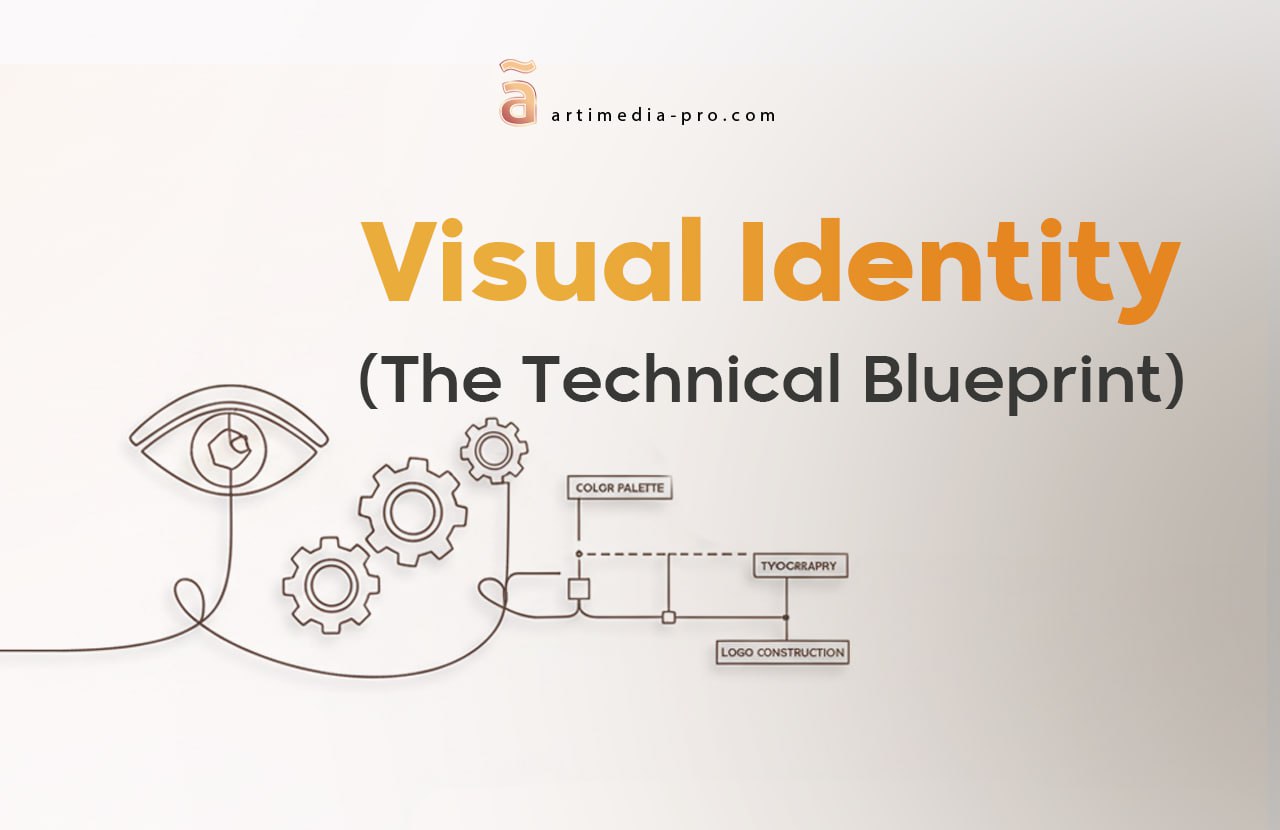
This section is the one designers use most. Be precise.
Logo Guidelines
- Versions: primary logo, secondary logo and submark, with when to use each (for example, the submark for social profile icons).
- Clear space: the minimum empty area around the logo.
- Minimum sizes: the smallest size for print and screen.
- Misuse examples: stretching, rotating, recoloring and adding effects.
Color Palette
- Primary and secondary colors: the dominant brand colors and the accents for highlights and calls to action.
- Exact codes: HEX and RGB for digital, CMYK and Pantone for print.
- Accessibility: WCAG success criterion 1.4.3 requires a contrast ratio of at least 4.5:1 for normal text and 3:1 for large text, so test your text and background pairs. Add dark mode variants if your product needs them.
Typography and Hierarchy
- Typefaces: primary and secondary fonts, with licensing and fallbacks for web.
- Hierarchy: sizes, weights and spacing for H1, H2, H3, subheadings and body text.
- Languages: if you publish in English and Arabic, name the Arabic typeface, its size relative to the Latin one, and the rules for right-to-left layouts. Our guide to localized branding in the Gulf market covers the regional side.
Verbal Identity: Tone and Voice
Visual identity gets attention; verbal identity builds personality and trust. A good visual identity still needs words that match it.
Brand Personality
Decide where you sit on a few scales, such as formal to casual, serious to playful, and expert to friendly. Give one example sentence for each channel: website, social media, email and support.
Vocabulary
- Words we use: terms that reflect your values and positioning.
- Words we avoid: jargon, clichés or phrases that contradict your personality.
AI Prompting Guidelines
Teams now draft content with AI tools, so add short rules for using them on brand:
- A standard prompt that states your tone, audience and vocabulary.
- Examples of approved on-brand copy for the tool to imitate.
- A review step: a person checks facts, tone and claims before anything is published.
Imagery and Digital Assets
Photography Style
Define the look you want: candid or staged, warm or cool, minimalist or vibrant. Add do and do-not examples so photographers and designers can match your style, and note who owns the rights to each image.
Icons and Illustrations
Choose one style (line art, flat or 3D) and say where each is used, so everything feels like one system.
Social Media Templates
Provide ready layouts for Instagram posts and Stories, LinkedIn banners and YouTube thumbnails. Templates speed up production and keep the look consistent. Link them to your personal branding assets if founders post under their own names.
Keep the Guide Alive
A style guide is not a rigid rulebook. Assign an owner, store the latest version where everyone can find it, and review it at least once a year or after any major change to the business. Share the logo files, color codes and templates as a downloadable pack so people do not have to copy from a PDF.
If your identity feels fragmented, our branding services include building brand style guides that unify your logo, voice and templates. Contact artiMedia Pro to build your brand guide.
Sources
- W3C, Understanding Success Criterion 1.4.3: Contrast (Minimum), WCAG 2.2.
Frequently Asked Questions (FAQs)
What is a brand style guide?
A brand style guide is a document that sets the rules for how a brand looks and sounds: logo use, colors, typography, imagery, tone of voice and templates. It keeps everyone who creates content for the brand consistent.
What should a brand style guide include?
At minimum: the brand story, mission, vision and values, logo rules, color codes, typography, tone of voice, imagery guidelines and social media templates. In 2026 many brands also add accessibility rules and guidelines for using AI tools.
How long should a brand style guide be?
As long as it needs to be to be used. A small business can start with a short guide of a few pages, while larger organizations with many teams and markets need more detail and examples.
How often should I update my brand style guide?
Review it at least once a year and whenever the business, audience or visual identity changes. Keep a version number and date so people know they have the latest one.
Do I need a brand style guide if I am a small business?
Yes, a short one helps. Even a one-page guide with your logo files, colors, fonts and tone of voice prevents inconsistency when you work with freelancers, printers or an agency.
Was this article helpful?
Thanks for telling us.